
Pregnant in 2026: What Your OBGYN Actually Wants You to Know
Aug 25, 2026Pregnant in 2026: What Your OBGYN Actually Wants You to Know
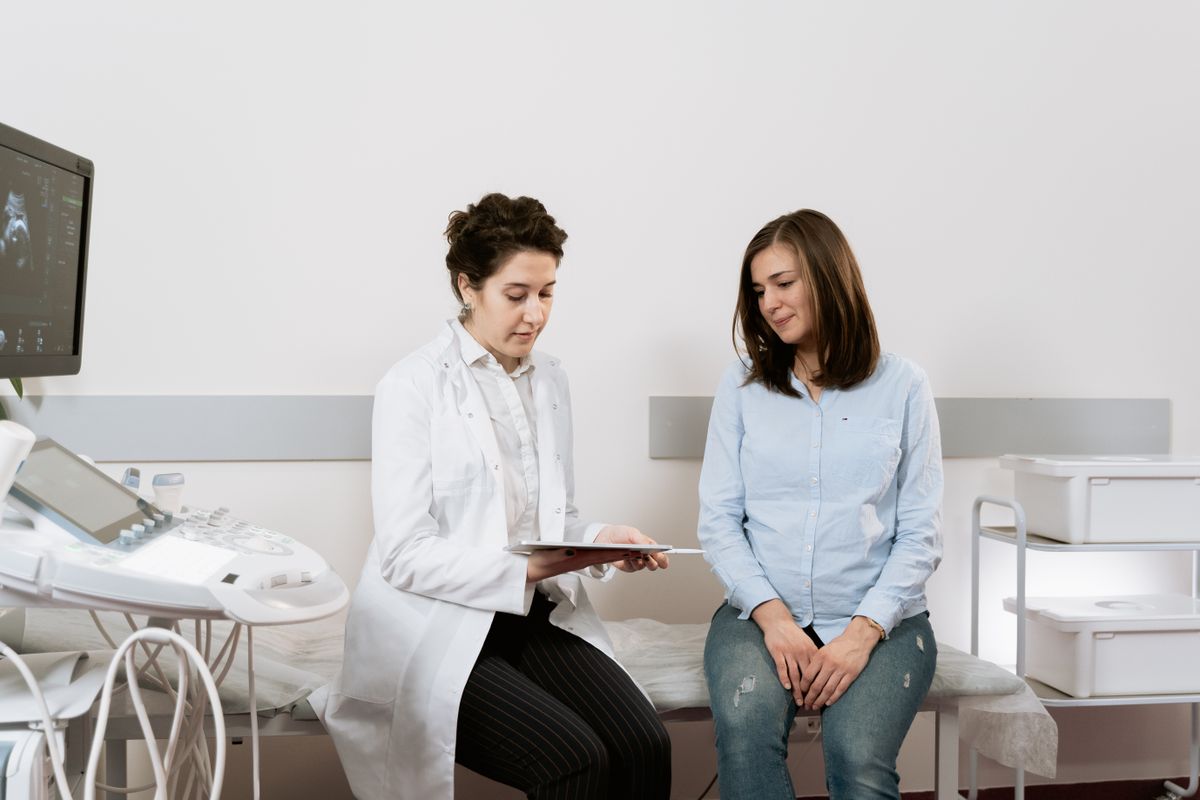
Pregnancy in 2026 comes with some wonderful advantages: better access to information, more ways to track health, improved screening options, and approximately 14,000 apps willing to tell you your baby is currently the size of a fruit.
It also comes with a new problem: you can receive more pregnancy advice before breakfast than previous generations heard during an entire trimester.
As an OBGYN, I spend a lot of time helping patients separate useful information from internet noise. Here are some of the things I most want pregnant patients to know in 2026.
1. Your pregnancy app is not your doctor
Apps can be genuinely helpful for tracking appointments, medications, symptoms, fetal movement, questions, and milestones.
What they cannot do is evaluate your individual risk.
If an app says a symptom is “totally normal” but something feels significantly wrong, call your medical team. If an app says you should panic because you ate half a deli sandwich before remembering you were pregnant, also call your medical team—but perhaps with slightly less panic.
Use technology to organize information, not replace medical judgment.
2. Know the symptoms we want you to call about
Every practice has its own instructions, and recommendations vary by gestational age and medical history. But there are symptoms you should not casually save for your next routine appointment.
These can include:
- Significant vaginal bleeding
- A gush or ongoing leakage of fluid
- Severe or persistent abdominal pain
- Severe headache, vision changes, or sudden concerning swelling
- Chest pain or difficulty breathing
- Fever or feeling seriously ill
- Decreased fetal movement once you are at the stage when your clinician has asked you to monitor it
- Regular painful contractions when you are not expecting labor
- Any symptom your care team specifically told you to report
One of the most useful rules in pregnancy is this: if you are debating for hours whether something is important enough to call about, it is usually reasonable to call.
We would rather answer a question than have you stay home with a concerning symptom because you did not want to “bother” anyone.
Related White Coat Mama video: Bleeding in Early Pregnancy: When It’s Normal and When It’s Not and Am I at Risk for Preeclampsia?.
3. Vaccines during pregnancy are not all treated the same
Pregnancy vaccine recommendations can change as evidence and circulating illnesses change, so always check the current guidance with your clinician.
Several vaccines deserve specific discussion in pregnancy.
Tdap
CDC recommends Tdap during each pregnancy, preferably in the earlier part of weeks 27 through 36. The goal is not only to protect you—it helps your body make antibodies that cross the placenta and help protect your newborn from pertussis during the vulnerable first months of life.
Influenza
The inactivated or recombinant flu vaccine is recommended during pregnancy during flu season. Pregnancy itself increases the risk of serious influenza complications.
RSV
For many pregnant patients in the continental United States, maternal RSV vaccination with Pfizer's Abrysvo is recommended during weeks 32 through 36 during the seasonal window, generally September through January. There is also an infant immunization option, so this is a good discussion to have with your OBGYN or pediatrician.
COVID-19
COVID vaccine recommendations have evolved. Current guidance emphasizes individualized decision-making, while pregnancy remains a risk factor for more severe COVID illness. This is exactly the kind of topic worth discussing with your clinician based on your health, prior vaccination, prior infection, and current seasonal recommendations.
The important takeaway is not “get every vaccine” or “avoid every vaccine.” It is: know which vaccines are recommended in pregnancy, which are not, and why.
4. “Natural” does not automatically mean pregnancy-safe
This may be one of the most important lessons in modern prenatal care.
Supplements, herbs, teas, powders, tinctures, gummies, wellness shots, essential oils, and products marketed as “hormone balancing” can still have biologic effects.
Some are probably harmless. Some have inadequate safety data. Some can interact with medications. Some contain ingredients you may not realize you are taking.
Bring your supplements to your prenatal visit—or take photos of the labels.
The uterus does not recognize the marketing category “clean wellness.”
5. Genetic screening is a choice, not a test you have to pass
Modern prenatal screening can provide valuable information, but patients sometimes feel as though there is a correct number of tests they are supposed to accept.
There is not.
Screening decisions should involve an explanation of what a test can detect, what it cannot detect, the possibility of false-positive or uncertain results, and what you would do with the information.
Ask questions such as:
- What condition is this screening for?
- Is this a screening test or a diagnostic test?
- What happens if the result is positive or unclear?
- Would the result change pregnancy management, delivery planning, or newborn care?
- What are the limitations?
Informed consent means you understand your options—not that you automatically choose the maximum number of available tests.
6. Prenatal vitamins matter, but perfection does not
Take a prenatal vitamin recommended by your clinician, ideally beginning before pregnancy when possible. Folic acid is especially important around conception and early pregnancy.
But if you discovered you were pregnant at six weeks and immediately realized you had spent the previous month surviving on coffee, crackers, and optimism, do not spiral.
Start where you are. Tell your clinician what you have been taking. Ask whether you need anything different based on your diet, laboratory results, medical conditions, or pregnancy history.
Pregnancy is not a nine-month examination in which one imperfect lunch causes you to fail motherhood.
7. Your mental health belongs in prenatal care
Anxiety and depression can occur during pregnancy, not only postpartum.
Tell your clinician if you are persistently anxious, depressed, unable to sleep because of racing thoughts, having intrusive thoughts, struggling to function, or simply not feeling like yourself.
The fact that pregnancy was planned, wanted, or medically uncomplicated does not make someone immune to mental health problems.
We should be caring for the person carrying the pregnancy, not just collecting fetal measurements.
8. Make a birth plan—but think of it as preferences, not a contract
Birth preferences can be useful. They help you think through pain control, support people, movement, feeding goals, newborn care, and what matters to you.
But childbirth occasionally treats detailed plans the way toddlers treat carefully prepared dinners.
Your plan should help your care team understand your values while leaving room for medical circumstances to change.
A very useful sentence is:
“If Plan A is no longer safe or possible, please explain why and help me understand Plan B.”
That preserves both autonomy and flexibility.
Related White Coat Mama video: Labor Induction: Bishop Score, Cervical Ripening, Pitocin, and What to Expect.
9. Choose credible sources before you need them
Pregnancy misinformation spreads particularly well because pregnancy combines high emotion, incomplete certainty, and a very motivated audience.
Pick a few trusted sources in advance: your OBGYN or midwife, your hospital, established medical organizations, and reputable public-health resources.
Then when a viral video announces that everything from ultrasound gel to epidurals is secretly ruining civilization, you already have somewhere sensible to check.
The bottom line
Pregnancy in 2026 gives us extraordinary access to information. The goal is not to consume all of it.
The goal is to know what matters for your pregnancy, recognize symptoms that deserve attention, understand the choices available to you, and have a medical team you trust enough to ask questions.
Track the fruit sizes if they make you happy. Make the birth playlist. Screenshot the weird TikTok and bring it to your appointment.
Just remember: the algorithm does not know your blood pressure, your medical history, your ultrasound findings, or your baby.
Your care should be personalized by people who do.
Sources & Further Reading
- CDC: Guidelines for Vaccinating Pregnant Women
- CDC: COVID-19 Vaccination for Women Who Are Pregnant or Breastfeeding
- ACOG: Prenatal Genetic Screening Tests
- ACOG: Prenatal Genetic Diagnostic Tests
- CDC: Folic Acid—Sources and Recommended Intake
Medical Disclaimer: This content is provided for general educational and informational purposes only and is not intended to be, and should not be considered, medical advice, diagnosis, or treatment. It does not create a physician-patient relationship. Medical decisions should be made with a qualified healthcare professional who knows your personal medical history. Always consult your own doctor or other qualified healthcare provider with questions about your health, symptoms, medications, pregnancy, or treatment options. If you believe you may be experiencing a medical emergency, seek emergency medical care immediately.
Get evidence-based women's health in your inbox
Practical OBGYN-guided education on women's health, pregnancy, postpartum and breastfeeding from Dr. Monica.
Educational content only. Unsubscribe anytime.